

Anatomy and biomechanics
The Bridge of Sighs is a frontal position where the woman lies down with her legs raised and supported on her partner's shoulders. This position allows for deep penetration and an angle that facilitates G-spot stimulation. He kneels in front of her, using his arms to support himself and move. The proximity allows for an intense visual and tactile connection, ideal for mutual exploration.
Why this position works
The combination of deep penetration and G-spot stimulation, along with the emotional closeness provided by eye contact and bodily proximity, makes this position a very satisfying experience for both parties. Intimacy and emotional connection are highlighted aspects that make it a favorite option for many couples.
The Bridge of Sighs: Point-to-Point Intimate Connection
A position that combines the intimacy of face-to-face with the precise stimulation of the most sensitive points.
Also known as: The Moan Crossing · Bowstring · The Meeting of the Waves
Variations of this position
For a more intense connection
Greater depth and angle of penetration
- She lies down with her legs raised and bent.
- He kneels closer, adjusting the angle of penetration.
- Maintain a steady, deep rhythm to maximize G-spot stimulation.
For a slower and more affectionate connection
Slower movements and additional caresses
- She lies down with her legs elevated and relaxed.
- He kneels in front of her, maintaining a slow rhythm.
- Incorporate caresses and kisses to increase emotional connection.
To explore different points of pleasure
Adjust the angle of penetration
- She lies down with her legs raised and slightly open.
- He kneels and adjusts the angle of penetration to stimulate different areas.
- Experiment with different angles to find the optimal point of pleasure.
✓ Tips
- Make sure the woman is comfortable with her legs raised to avoid tension.
- Use pillows under her head for greater comfort and support.
- Maintain a slow and steady rhythm to enjoy G-spot stimulation.
Key facts
- Interaction type
- Frontal, face to face
- Active anatomy
- Penis
- Receptive anatomy
- Vagina and G-spot
- Main stimulation
- G-spot / Point A
- Setups and participants
- Couple · 2 people Hetero
Frequently asked questions
Is this position suitable for beginners?
Yes, it is suitable for beginners as long as both feel comfortable with the proximity and the leg position.
How can I increase the intensity of pleasure?
Increase the intensity of pleasure by adjusting the angle of penetration and using circular movements to stimulate the G-spot.
Is it possible to vary this position for different levels of depth?
Yes, by adjusting the position of the woman's legs and the depth of penetration, you can vary the intensity and angle of stimulation.
Safety and evidence
Scientific context for common terms used on this page. Keeping these terms makes the content easier to understand; the sources clarify what is established and what remains uncertain.
G-spot: what the evidence says
“G-spot” is a widely used term for a sensitive area of the anterior vaginal wall. Scientific literature has not established a discrete anatomical structure with an agreed location, size and nature; sensitivity and response can vary between individuals.
A-spot / AFE zone: limited evidence
The “A-spot” or AFE zone has been proposed to describe a deeper area of the anterior vaginal wall. Available evidence is limited and does not support presenting it as a confirmed anatomical structure.
Last editorial review:
Related sex positions
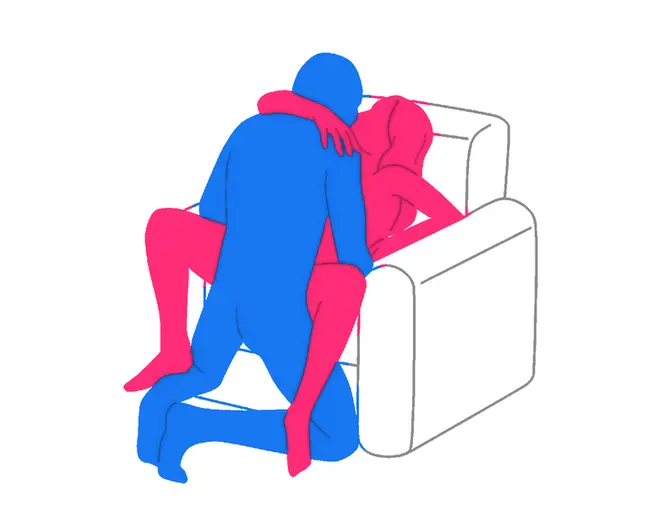
The Whisper of the Lips

Ark of Love

Hummingbird
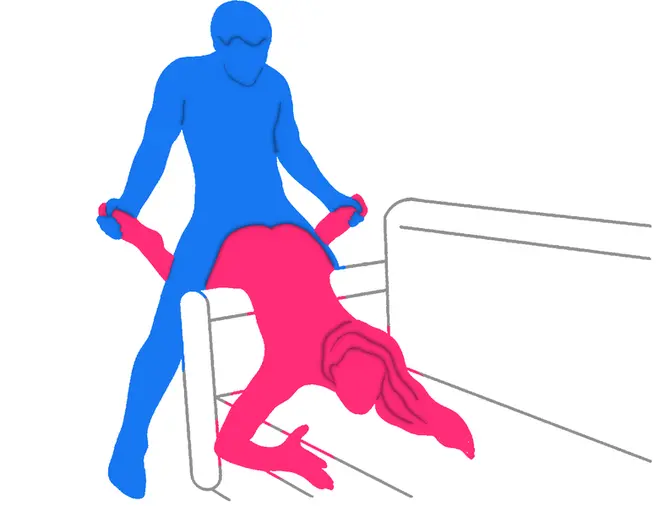
The Cobra (Embracing Hug)
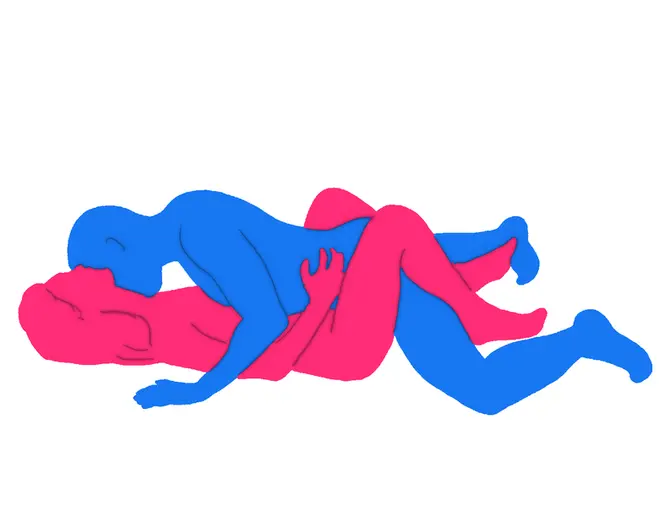
The Missionary

The Catapult

The Dance of Pleasure II
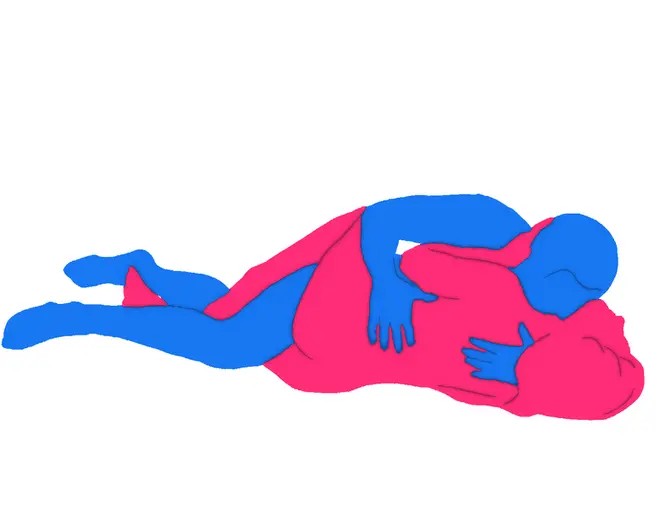
Deep Longing
The Lightning Bolt
The Half Moon Encounter
The Venus Mirror
